FS Private Advisors

856-229-9410

Investment

Bull & Bear Markets: A Timeline
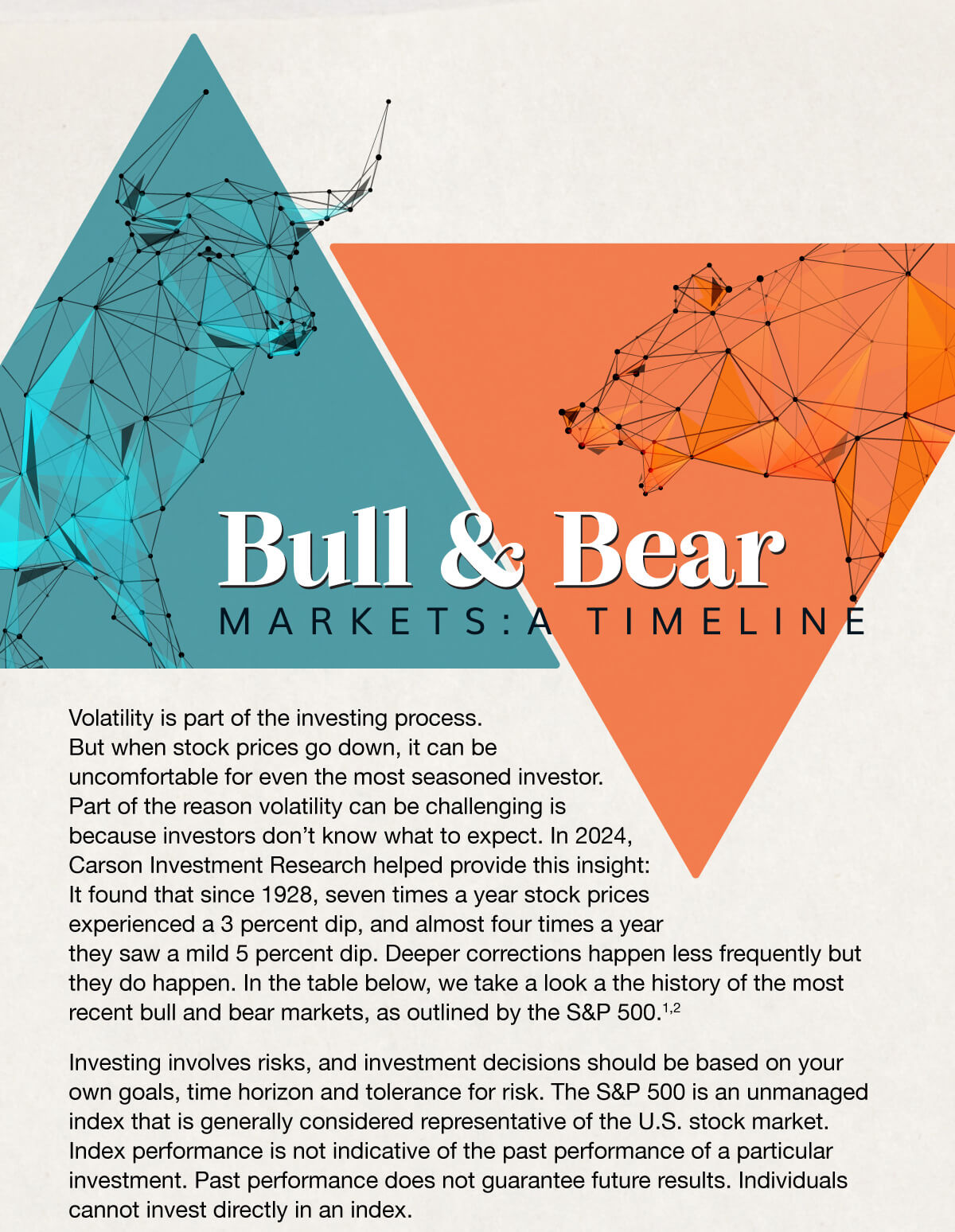
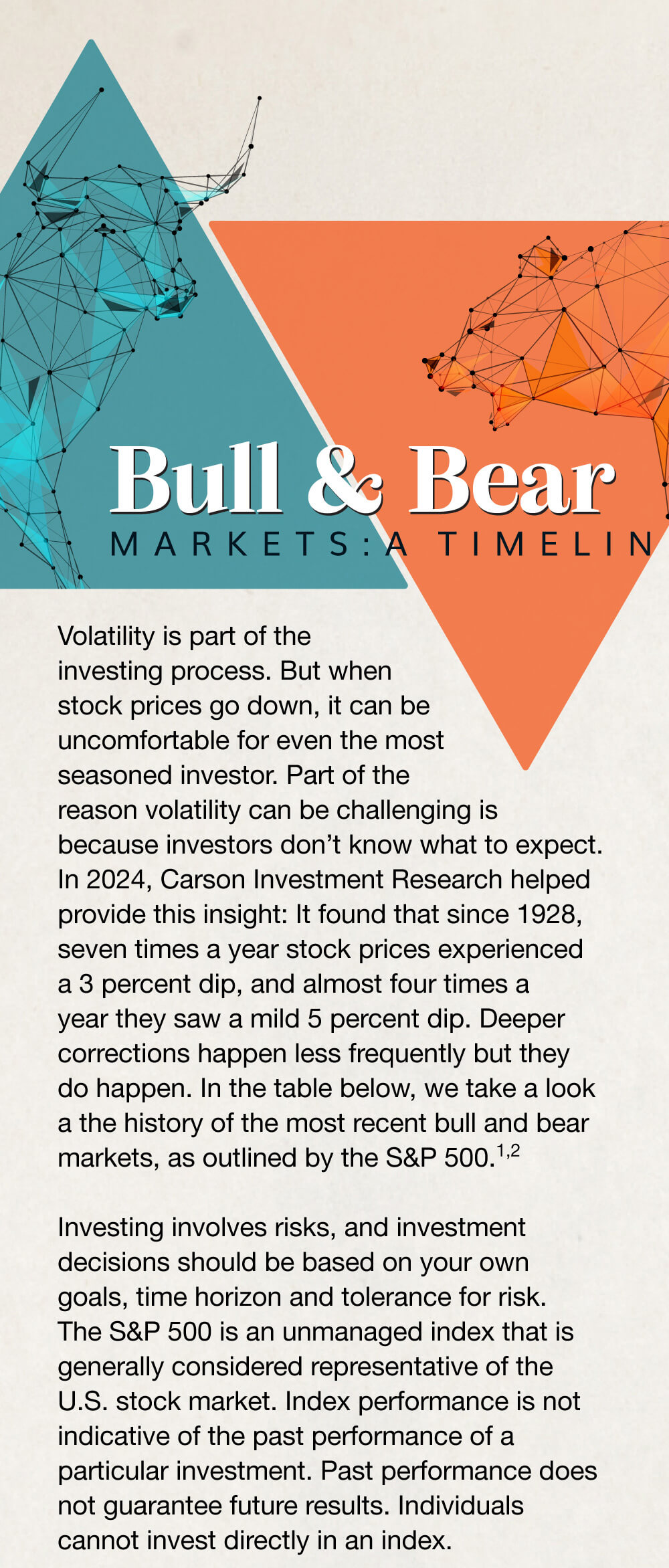
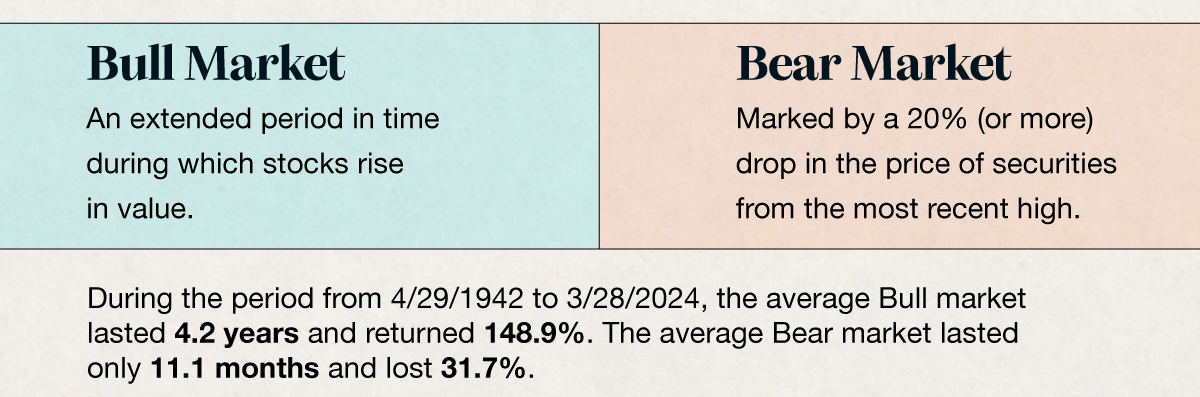
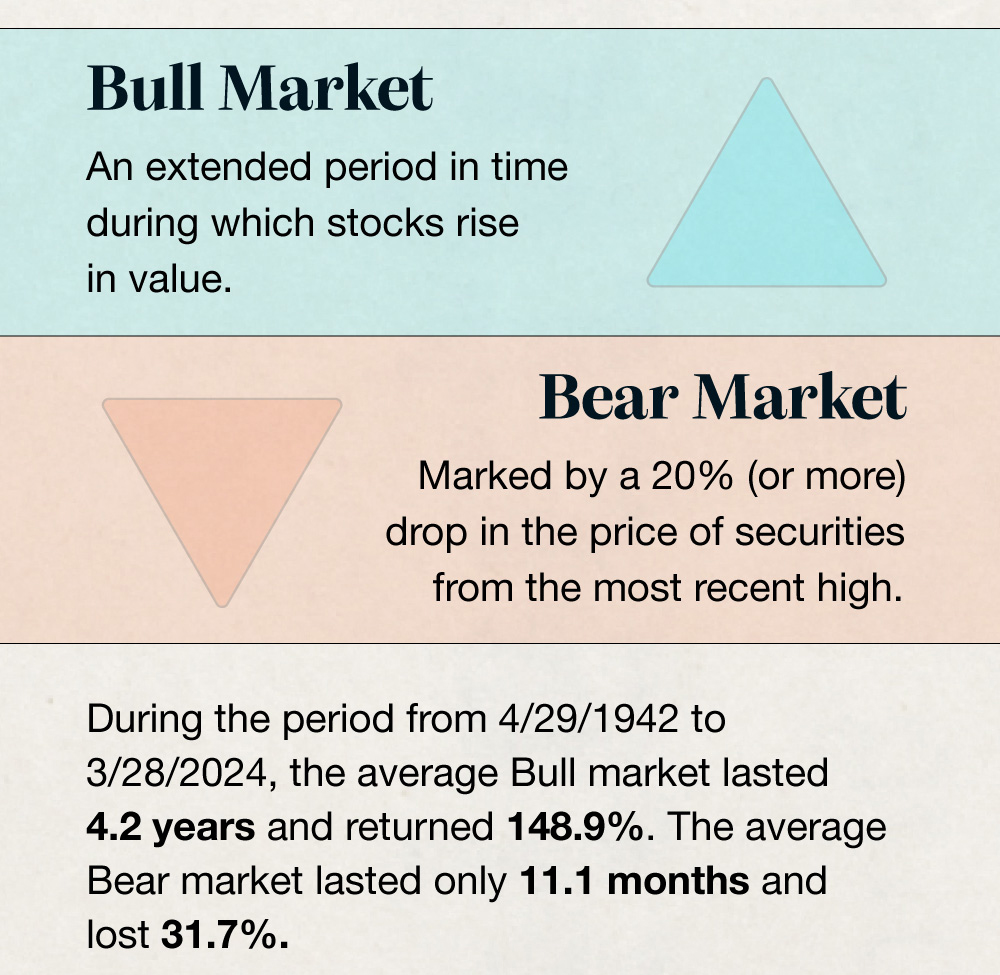
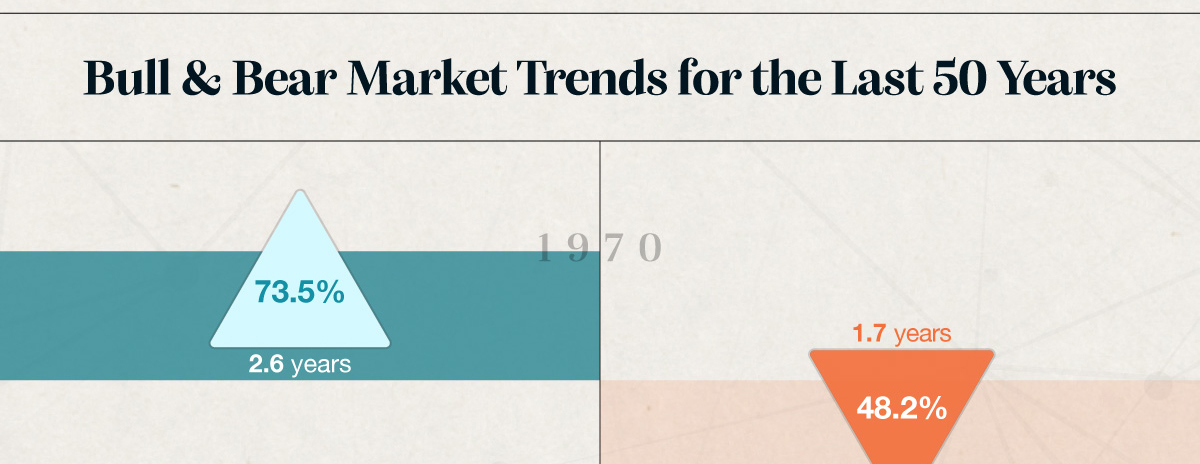
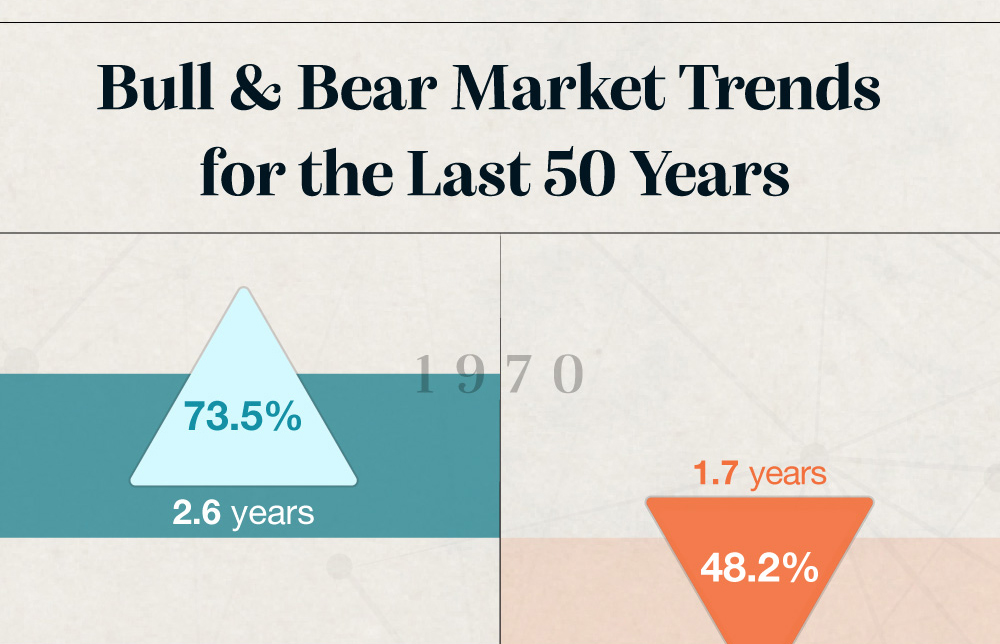
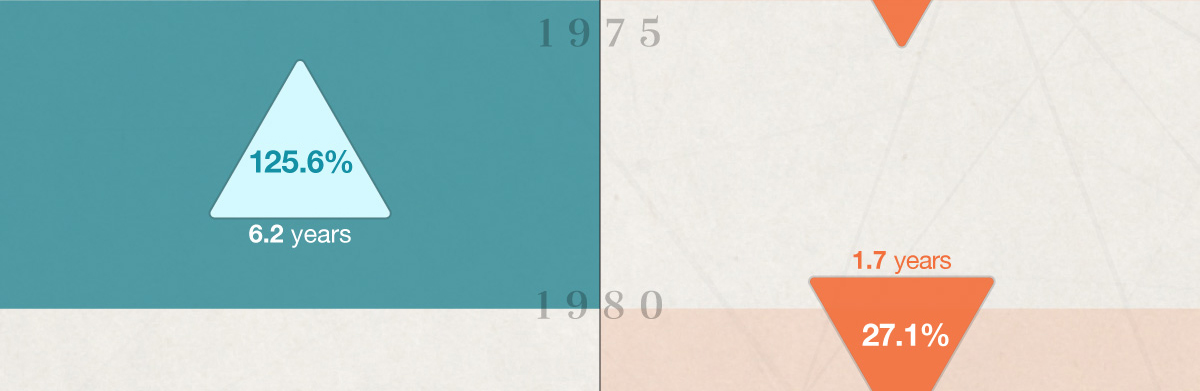
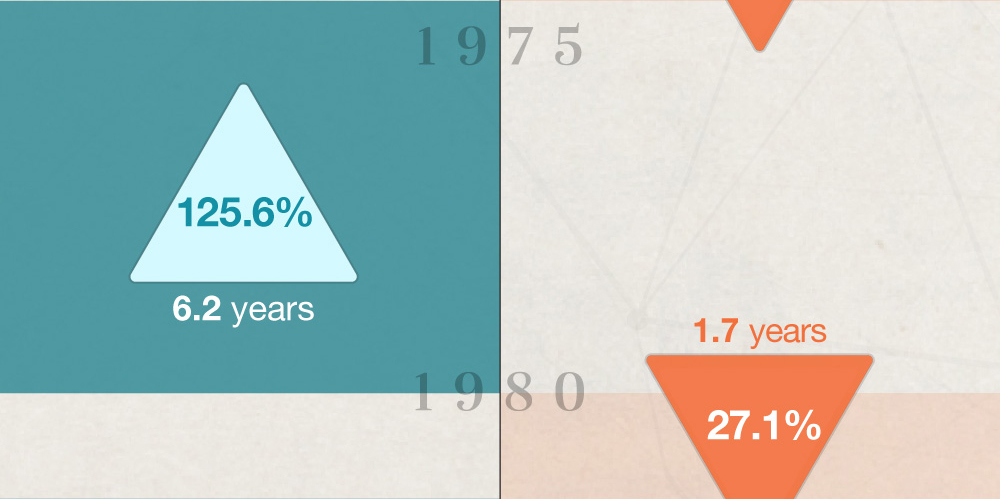
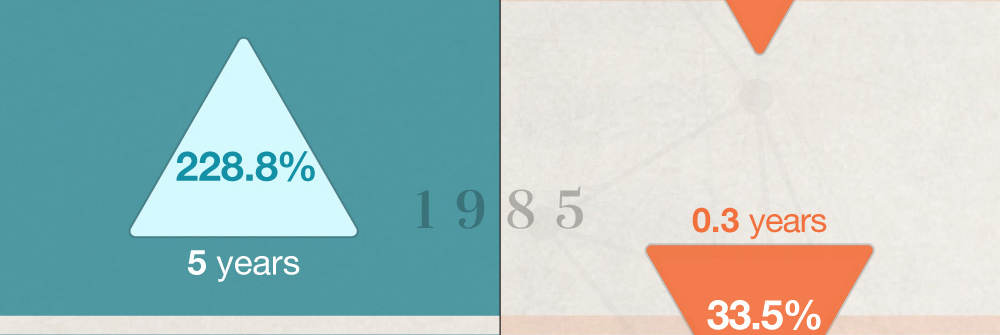
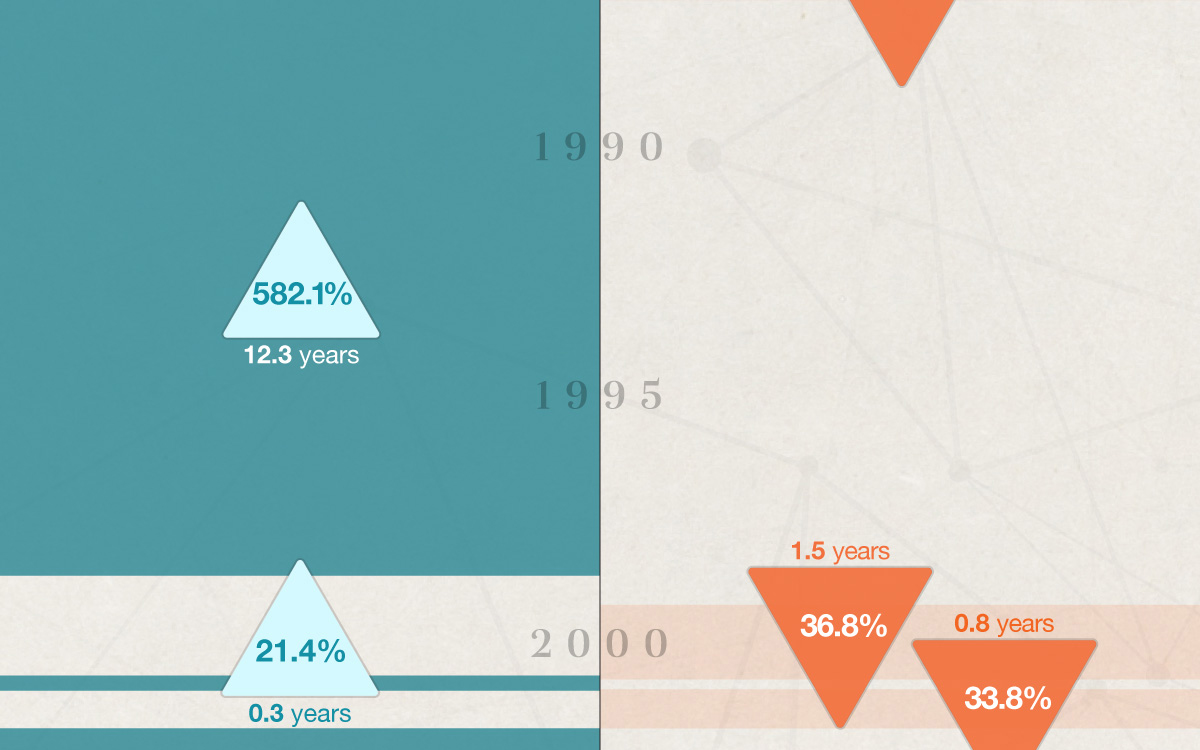
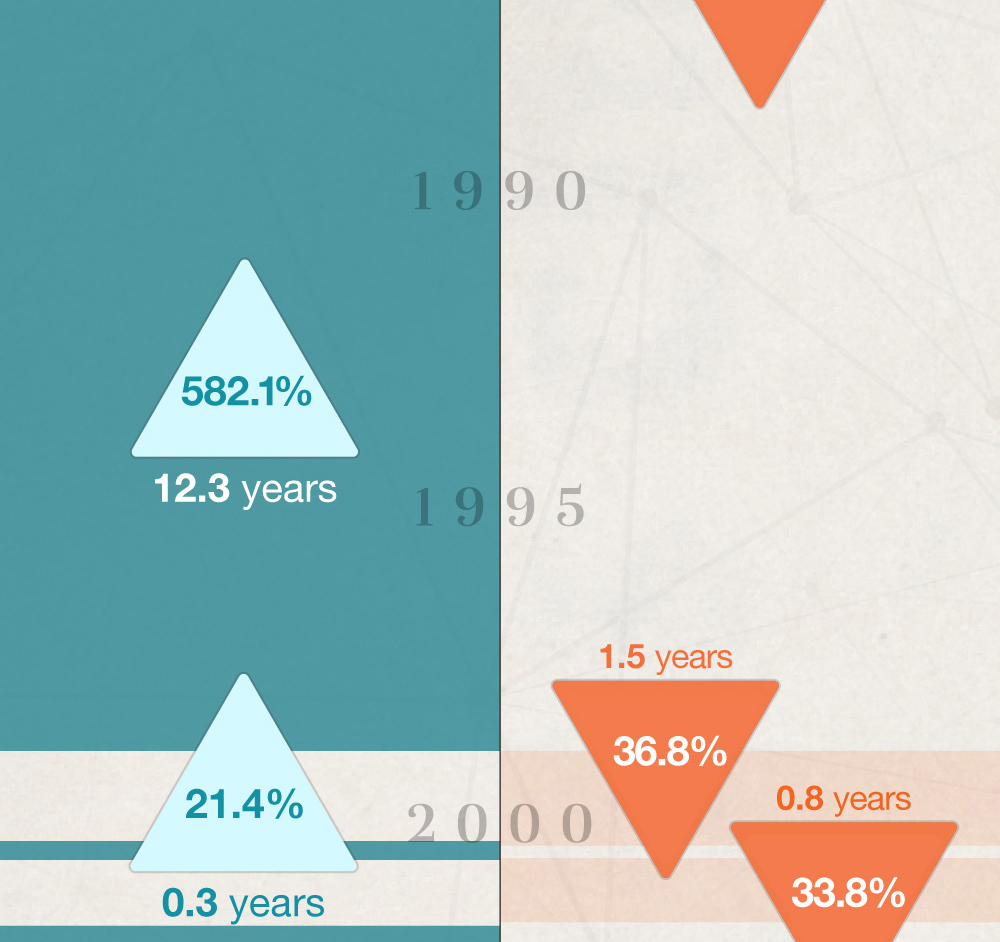
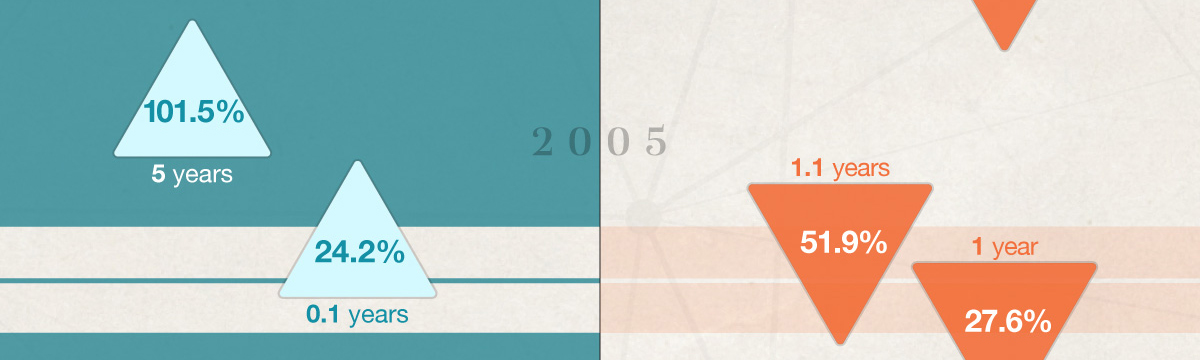
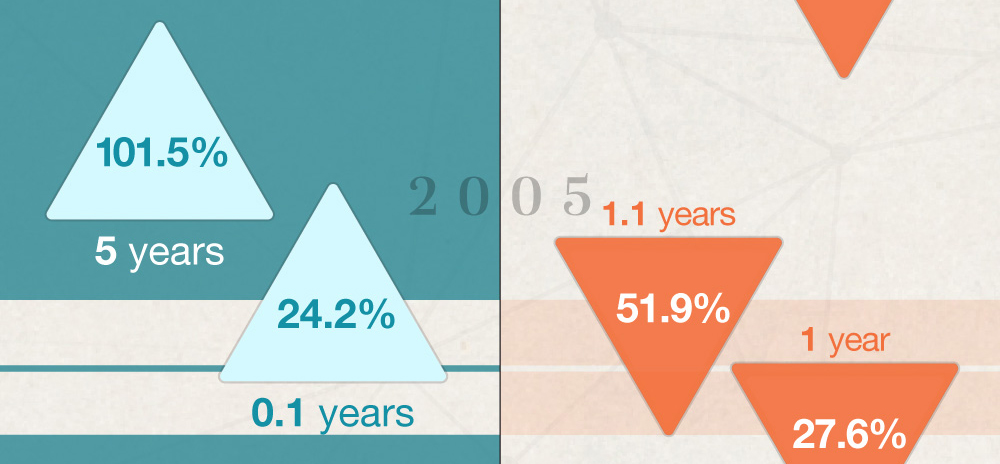
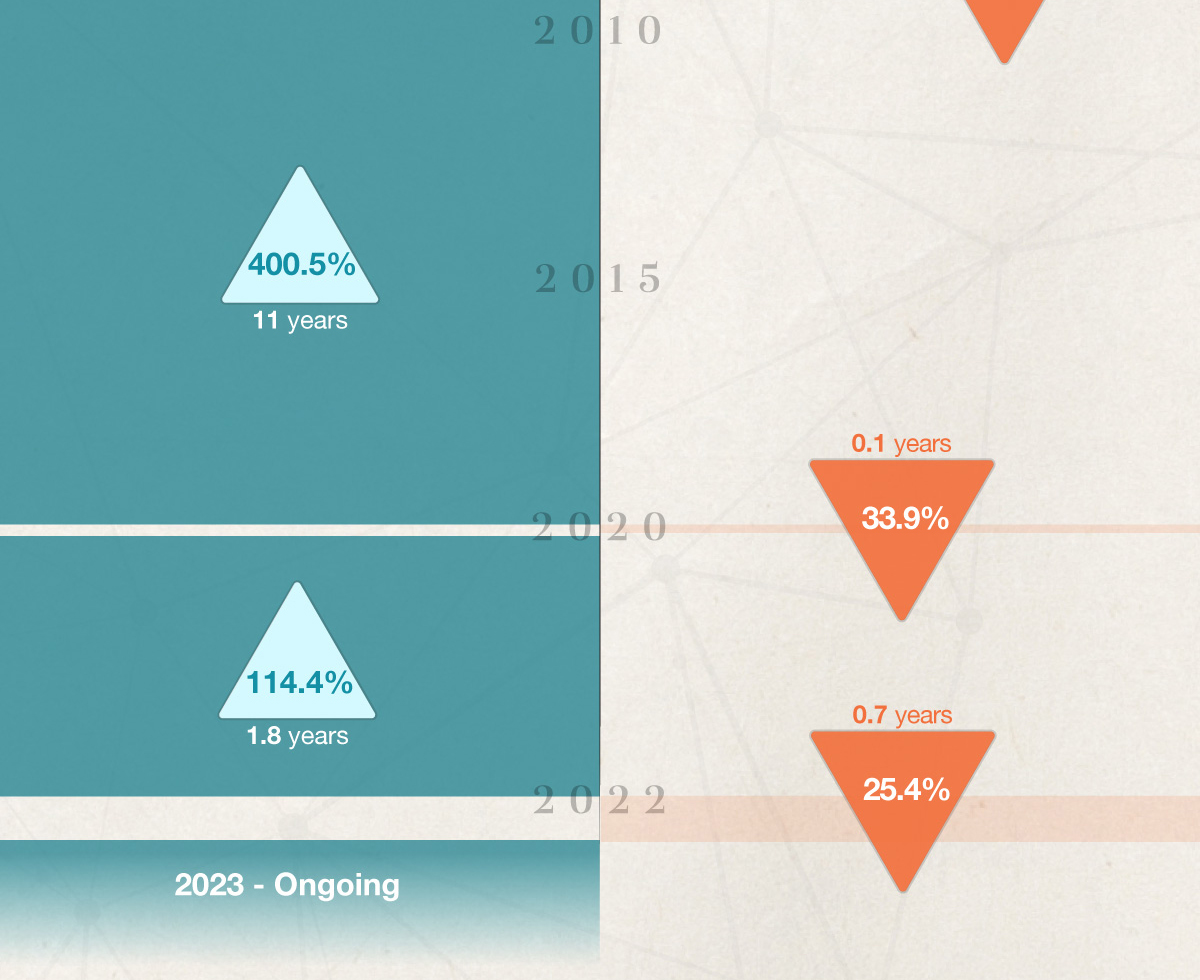
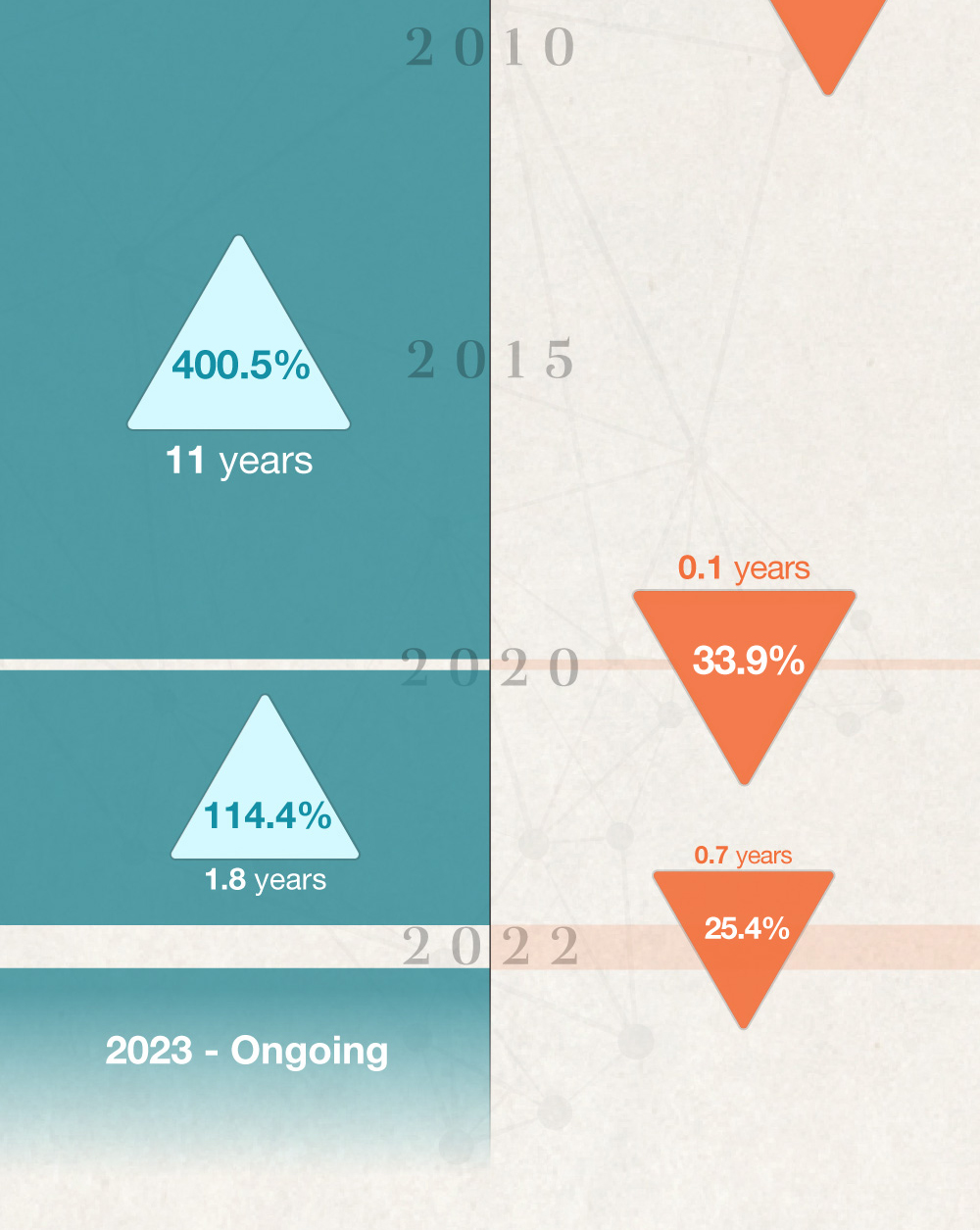
Bull & Bear Markets: A Timeline. Before 2020, the financial sector enjoyed one of the longest bull markets in history. Beginning in March 2009, the covid 19 pandemic ended this run in March 2020. However, recovery was swift, and a new bull market started in April that same year. As we face an uncertain road ahead, let's take a look at history's most recent bull and bear markets, as outlined by the S&P 500. Sources 1 and 2. Investing involves risks, and investment decisions should be based on your own goals, time horizon and tolerance for risk. The S&P 500 is an unmanaged index that is generally considered representative of the U.S. stock market. Index performance is not indicative of the past performance of a particular investment. Past performance does not guarantee future results. Individuals cannot invest directly in an index.Bull & Bear Markets: A Timeline. Before 2020, the financial sector enjoyed one of the longest bull markets in history. Beginning in March 2009, the covid 19 pandemic ended this run in March 2020. However, recovery was swift, and a new bull market started in April that same year. As we face an uncertain road ahead, let's take a look at history's most recent bull and bear markets, as outlined by the S&P 500. Sources 1 and 2. Investing involves risks, and investment decisions should be based on your own goals, time horizon and tolerance for risk. The S&P 500 is an unmanaged index that is generally considered representative of the U.S. stock market. Index performance is not indicative of the past performance of a particular investment. Past performance does not guarantee future results. Individuals cannot invest directly in an index.Bull Market: An extended period in time in which stocks rise in value. Bear Market: Marked by a 20% (or more) drop in the price of securities from the most recent high. The average Bull market lasted 52.8 months and returned 152.6 percent. The average Bear market lasted only 11.3 months and lost 32.1 percent.Bull Market: An extended period in time in which stocks rise in value. Bear Market: Marked by a 20% (or more) drop in the price of securities from the most recent high. The average Bull market lasted 52.8 months and returned 152.6 percent. The average Bear market lasted only 11.3 months and lost 32.1 percent.Bull & Bear Market Trends For the Last 50 Years. Starting in 1970, there was a 73.5 percent increase over the course of 2.6 years. Starting in 1973, there was a 48.2 percent decrease over the course of 1.7 years.Bull & Bear Market Trends For the Last 50 Years. Starting in 1970, there was a 73.5 percent increase over the course of 2.6 years. Starting in 1973, there was a 48.2 percent decrease over the course of 1.7 years.Starting in 1974, there was a 125.6 percent increase over the course of 6.2 years. Starting in 1980, there was a 27.1 percent decrease over the course of 1.7 years.Starting in 1974, there was a 125.6 percent increase over the course of 6.2 years. Starting in 1980, there was a 27.1 percent decrease over the course of 1.7 years.Starting in 1982, there was a 228.8 percent increase over the course of 5 years. Starting in 1987, there was a 33.5 percent decrease over the course of .3 years.Starting in 1982, there was a 228.8 percent increase over the course of 5 years. Starting in 1987, there was a 33.5 percent decrease over the course of .3 years.Starting in 1987, there was a 582.1 percent increase over the course of 12.3 years. Starting in 2000, there was a 36.8 percent decrease over the course of 1.5 years. Starting in 2001, there was a 21.4 percent increase over the course of .3 years. Later that same year, there was a 33.8 percent decrease over the course of .8 years.Starting in 1987, there was a 582.1 percent increase over the course of 12.3 years. Starting in 2000, there was a 36.8 percent decrease over the course of 1.5 years. Starting in 2001, there was a 21.4 percent increase over the course of .3 years. Later that same year, there was a 33.8 percent decrease over the course of .8 years.Starting in 2002, there was a 101.5 percent increase over the course of 5 years. Starting in 2007, there was a 51.9 percent decrease over the course of 1.1 years. Starting in 2008, there was a 24.2 percent increase over the course of .1 years. Later that same year, there was a 27.6 percent decrease over the course of 1 year.Starting in 2002, there was a 101.5 percent increase over the course of 5 years. Starting in 2007, there was a 51.9 percent decrease over the course of 1.1 years. Starting in 2008, there was a 24.2 percent increase over the course of .1 years. Later that same year, there was a 27.6 percent decrease over the course of 1 year.Starting in 2009, there was a 400.5 percent increase over the course of 11 years. Starting in 2020, there was a 33.9 percent decrease over the course of .1 years. There’s been an ongoing increase since 2020.Starting in 2009, there was a 400.5 percent increase over the course of 11 years. Starting in 2020, there was a 33.9 percent decrease over the course of .1 years. There’s been an ongoing increase since 2020.Source 1: CaptiveInternational.com, 2021. Source 2: Yardeni.com, 2022. The content is developed from sources believed to be providing accurate information. The information in this material is not intended as tax or legal advice. It may not be used for the purpose of avoiding any federal tax penalties. Please consult legal or tax professionals for specific information regarding your individual situation. This material was developed and produced by FMG Suite to provide information on a topic that may be of interest. FMG, LLC, is not affiliated with the named broker-dealer, state- or SEC-registered investment advisory firm. The opinions expressed and material provided are for general information, and should not be considered a solicitation for the purchase or sale of any security.Source 1: CaptiveInternational.com, 2021. Source 2: Yardeni.com, 2022. The content is developed from sources believed to be providing accurate information. The information in this material is not intended as tax or legal advice. It may not be used for the purpose of avoiding any federal tax penalties. Please consult legal or tax professionals for specific information regarding your individual situation. This material was developed and produced by FMG Suite to provide information on a topic that may be of interest. FMG, LLC, is not affiliated with the named broker-dealer, state- or SEC-registered investment advisory firm. The opinions expressed and material provided are for general information, and should not be considered a solicitation for the purchase or sale of any security.
 

Related Content

How Retirement Spending Changes With Time

How Retirement Spending Changes With Time

It can be difficult for clients to imagine how much they’ll spend in retirement. This short, insightful article is useful.

Understanding the Alternate Valuation Date

Understanding the Alternate Valuation Date

Executors can value the estate on the date of death, or on its six-month anniversary —the “Alternate Valuation Date."

Capital Gains Tax When Selling Your Home

Capital Gains Tax When Selling Your Home

If your clients are buying or selling a home, use this to help them determine if they qualify for capital gains taxes.


Have A Question About This Topic?


Thank you! Oops!

Changing Unhealthy Behaviors

Five phases to changing unhealthy behaviors.

Exploring Retirement Plans for Small Businesses

Help small businesses make better retirement decisions for employees with this eye-catching and informative infographic.

Steps to Protecting a Child with Disabilities

Planning for children with special needs can be confusing but by working together, we can help navigate those challenges.

View all articles

How Much Home Can I Afford?

Estimate how much home may fit within your budget based on income and expenses.

Comparing Mortgage Terms

Compare different mortgage term lengths side by side to find the option that fits your budget.

How Long Will Your Money Last?

See how long a lump sum of savings could last based on your withdrawal rate and return.

View all calculators

An Arm and a Leg

A visit to the hospital can be painful, for both your body and your wallet. Don't let it be more painful than it has to be.

It May Be Time for a Financial Checkup

It’s never a bad time to speak with your financial professional about changes in your situation.

Encore Careers: Push Your Boundaries

Ready for retirement? Find out why many are considering encore careers and push your boundaries into something more, here.

View all videos